
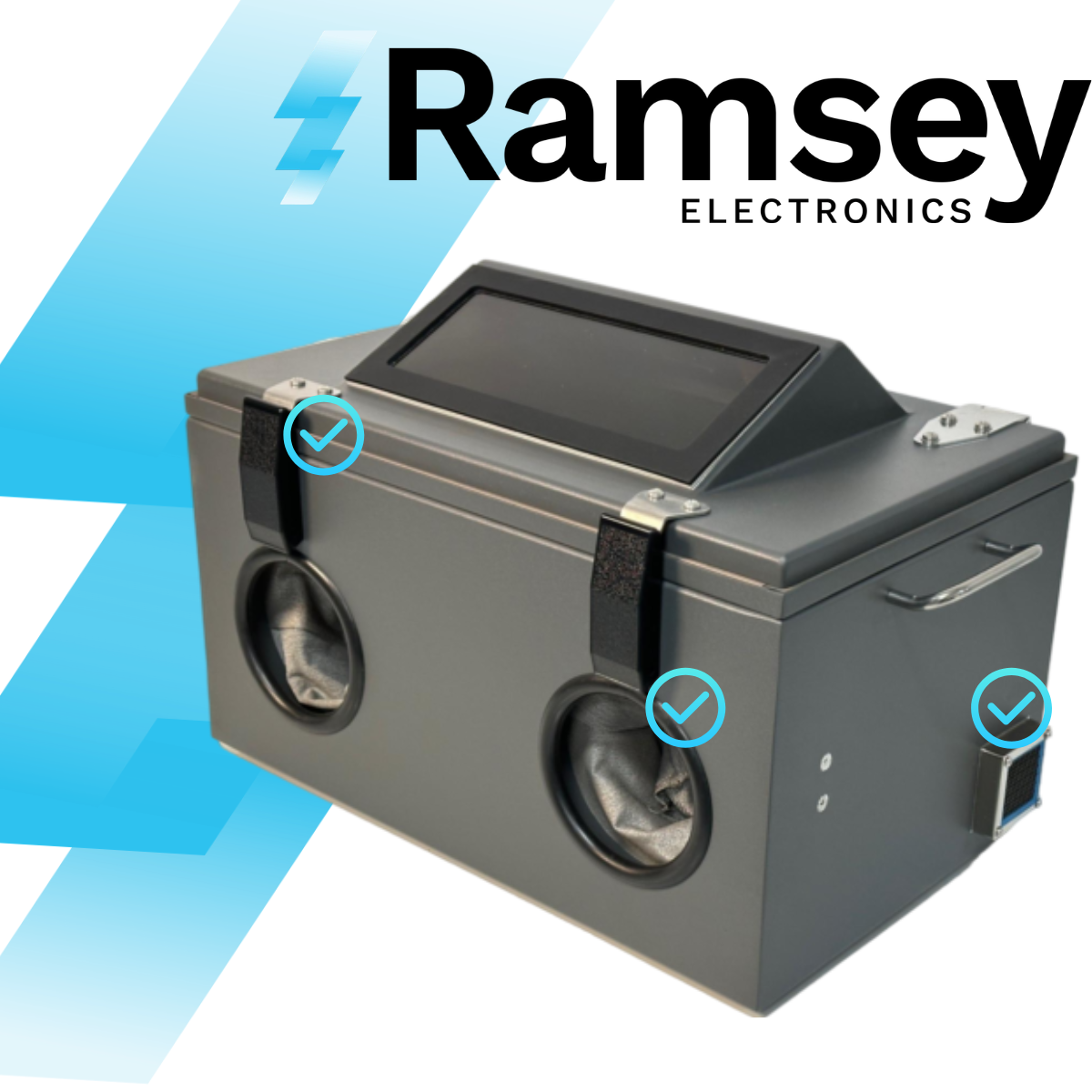
A shielded enclosure can only deliver consistent results if the design holds up under actual use. For forensic, manufacturing, and defense teams, the most important differences are often found at the seams, doors, and access points.
The first area to evaluate is the enclosure’s interfaces. Doors, seams, and penetrations are where shielding performance is most likely to degrade over time, especially in environments with repeated use.
Next, buyers should look at how the enclosure supports the intended workflow. A strong design should protect the environment without creating operational friction for technicians, investigators, or operators.
Verification is equally important. Professional buyers should ask how shielding performance is tested, documented, and maintained, rather than assuming the enclosure will perform because it appears robust.
Forensics, manufacturing, and defense all use shielding for different reasons, but each depends on reliability. The best enclosure is the one that matches the application, the workflow, and the acceptable risk level.
In professional settings, shielding is not just a product feature. It is a technical control that should be evaluated with the same rigor as any other mission-critical system.